INTRODUCTION.
Hello, my name is Paula Arango
I wanted to share my hard work to bring you up to date!
Throughout my undergraduate studies in the Bachelor of Science program at TRU, I found research super fascinating. During my first two years at TRU, I focused mainly on academics trying super hard to get the marks to get into veterinary school. I knew there was something missing that not everything is studying, I had no idea that research was even an option. Once I discovered it, my academic experience transformed.
My first opportunity came through a directed studies project with Dr. Emily Studd, where I worked on analytical research investigating how wildlife management area size influences hunting pressure on moose in British Columbia for the Taku River Tlingit First Nations. This project involved extensive data analysis using R Studio and GIS software, helping me dive into large amounts of data analysis. This project opened my eyes because I realized anyone can combine their passions in my case, science and animals.
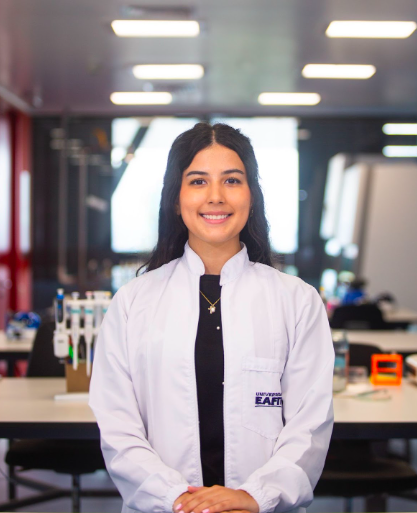
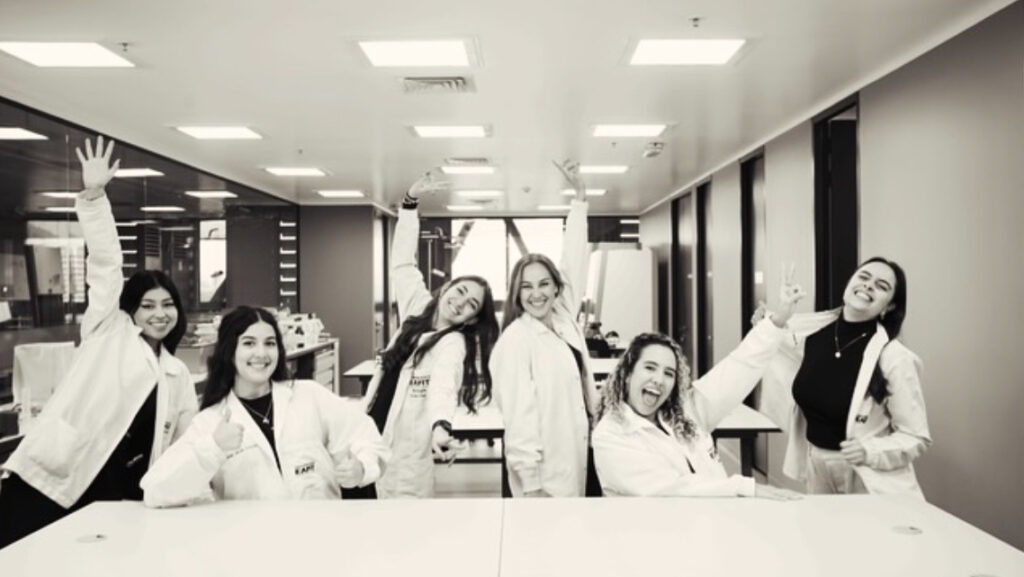
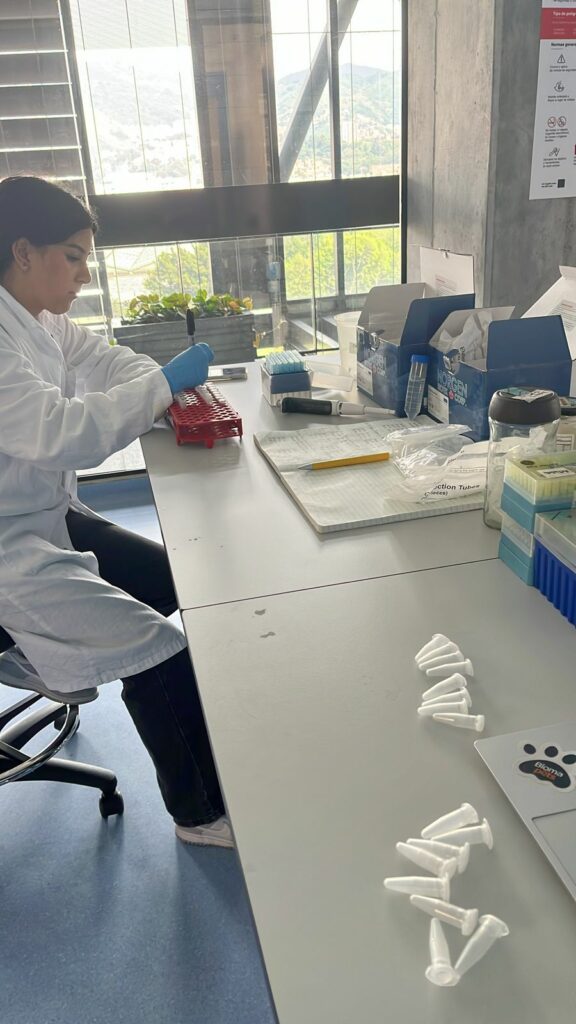
Seeking to expand my experience, I participated in an international research internship with Dr. Laura Sierra Zapata at EAFIT University in Medellín, Colombia. This lab-based research focused on studying the gut microbiome of canines and involved hands-on lab work, including DNA extraction, PCR, and microbial analysis. I truly hit the jackpot during my undergraduate years, knowing that my work focused on having the biggest impact on an animal’s life.
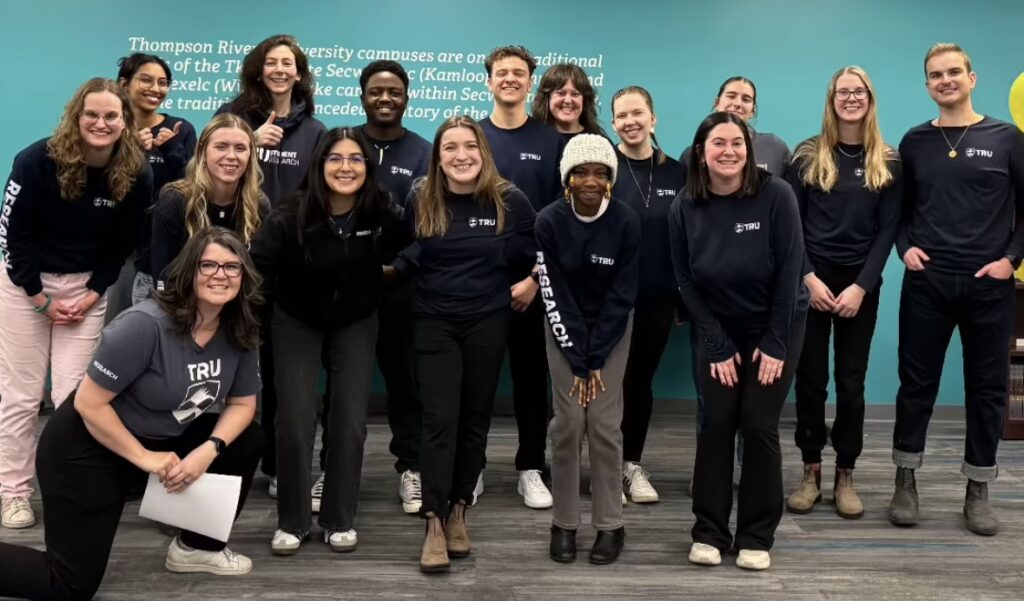
Beyond research projects, I took on a leadership role as a research ambassador at TRU. In this role, I served as a guide and role model, helping students navigate research opportunities and brainstorm ways to make research more accessible and a fun process for students. I presented a literature review poster at the Annual General Meeting of the Western Division of the Canadian Association of Geographers (WDCAG, March 2025) (TRU Geographers Announce Conference – TRU Newsroom). This poster explored how religion has spread globally. This has broadened my perspective on research across disciplines, showing that research goes beyond traditional science. These diverse experiences have not only strengthened my technical and leadership skills but have also deepened my appreciation for the collaborative nature of research.
MY WORK.
To demonstrate my understanding of the research process, I have provided a list of research-related courses and research projects I successfully completed.
List of courses that involved research along with their description and what I gained from them:
- BIOL3400: DNA to Ecosystems: Reading and Writing Great Biology (Fall 2024—Instructor Lyn Baldwin and Kara Lefevre)
Course Description: Students examine critical issues in the diversity of life through the lens of great writing. Through weekly readings, students explore topics in biology that have inspired biologists to write for broad audiences. Students integrate their understanding of biology’s foundational role in modern life with the necessity of sharing its stories. Students analyze and practice well-known story-telling techniques in their own writing. To improve the biological stories they tell, students do two things: read a lot and write a lot.
Although not a traditional research course, this writing-intensive program significantly enhanced my ability to
- Translate complex biological concepts into accessible narratives for diverse audiences
- Critically analyze scientific literature through weekly readings of landmark biology texts
- Lead evidence-based discussions by synthesizing technical information into clear takeaways
- Develop persuasive scientific writing through iterative drafting and peer feedback
This course improved my ability to translate technical biological material into compelling, accurate storytelling. Through analyzing science writing and writing multiple research-based articles, I was able to sharpen my scientific storytelling skills, which improved my ability to communicate complex ideas to both people in the field and general audiences, a key aspect of effectively sharing and applying research findings.
- BIOL4141: Evolution (Summer 2024 – Instructor Carson Keever)
Course Description: Students examine central concepts in the contemporary theory of evolution, such as variation, descent, natural selection, adaptation, speciation, and extinction on both micro- and macro-evolutionary scales. Emphasis is placed on the presentation of changes in evolutionary thinking and the discussion of how the current theory of evolution developed from the time of the Greek philosophers to modern evolutionary synthesis. This historical approach addresses scientific theories that are first proposed & continuously modified to accommodate new findings. Students’ major projects consist of independent research into current controversies surrounding evolutionary theory. Topics include origins of living systems; species and their origins and extinctions; adaptation and constraints; systematics; and evolutionary ethics.
Although not a traditional research course, this course had research-related components that enhanced my ability to do independent research, critical analysis, and scientific proposal writing:
1. Final Project: Annotated Bibliography
- Developed literature review skills by identifying, summarizing, and evaluating peer-reviewed sources on a contested topic in evolutionary biology (“non-adaptive evolutionary mechanisms” or “ethics of gene drives”).
- Practiced critical analysis by assessing the credibility, relevance, and biases of scientific literature.
2. Final Project: Research Proposal
- Designed a research question addressing a gap or controversy in evolutionary theory (“Why does influenza evolve so rapidly and drastically?”) attached below.
- Outlined future methodologies that could be applied.
- Anticipated limitations mirroring writing processes in a research report.
This course strengthened my ability to critically engage with primary literature in evolutionary biology. Formulate research questions and justify their significance. Communicate complex ideas through structured proposals and annotated bibliographies.
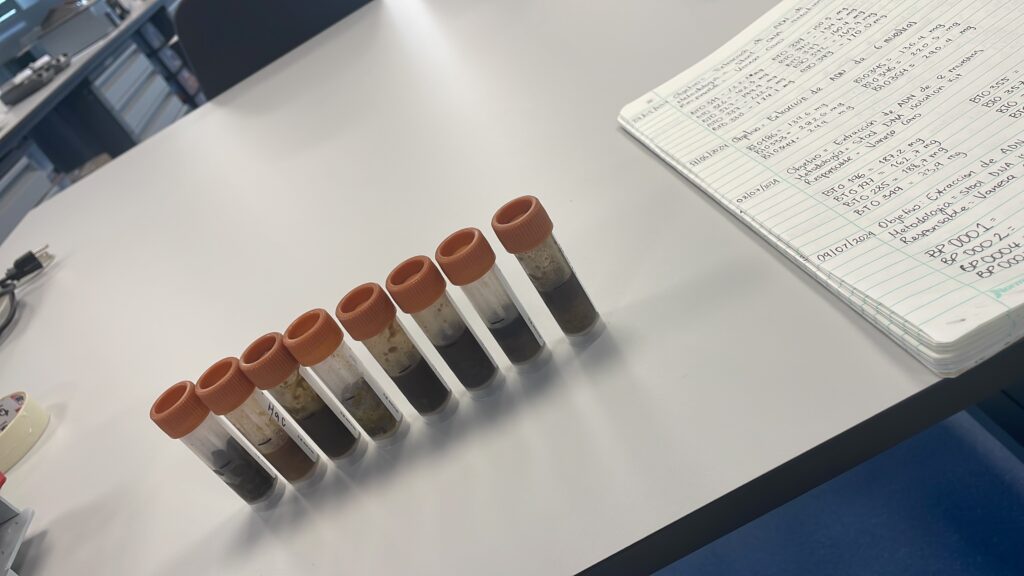
- Research in Colombia (Biomapets): (Summer 2024 – Supervisor Laura Sierra Zapata)
Due to confidential reasons for the project, as it is still ongoing, I cannot attach the databases I created, but attached is a certificate from the university that states what I did. I also provided a translated version as it is in Spanish:
These are some images from my internships, where I learned organizing skills including labelling, taking notes, and following procedures:

To demonstrate my ability to critically assess and synthesize existing research, I have included my BIOL3131 Literature Review Research Paper, where I analyzed peer-reviewed studies to identify gaps in knowledge.
- BIOL3131: Introduction to Biochemistry (Summer 2023 – Instructor Puneet Arora)
Course Description: Students are introduced to cellular chemistry in this course. Topics include the structure and function of biological molecules, nucleic acids, enzymes and other proteins, carbohydrates, lipids, and vitamins. The course also provides an introduction to metabolic pathways and bioenergetics, including glycolysis, fermentation and respiration, oxidation of fatty acids, and photosynthesis.
Research-Related Components & Skills Developed: Although this is not a dedicated research course, several assessments helped build foundational research skills:
- Assignment 1: Bibliography and Research Paper
- Enhanced skills in academic literature searches, source evaluation, and collaborative scientific writing.
- Gained experience combining biological ideas from peer-reviewed literature.
- Assignment 3: Major Paper Literature Review Research Paper
- Strengthened ability to analyze, summarize, and critique scientific literature on a biochemical topic.
- Practiced proper citation methods and scientific communication in a formal research paper format.
- Problem Discussions
- Enhanced critical thinking and evidence-based reasoning by engaging with biochemical problems and case studies.
- Assignment 2: Metabolic Maps
- Required visual representation of metabolic pathways, reinforcing skills in data organization and conceptual synthesis.
This course contributed to my research literacy by teaching me how to locate, interpret, and present scientific information effectively, key skills for conducting literature reviews and developing research proposals in biochemistry and related fields.
- BIOL3231: Biochemistry (Summer 2024 – Instructor Ron Smith)
Course Description: Students examine the structure, function, synthesis, and degradation of macromolecules (carbohydrates, lipids, nucleic acids, and proteins). The biochemistry of DNA repair and intracellular transport of proteins is also addressed.
Research-Related Components & Skills Developed:
- Assignment 1: Article Critique
- Developed the ability to critically evaluate primary research articles, assessing methodology, results, and conclusions.
- Strengthened skills in identifying strengths, limitations, and broader implications of scientific studies.
- Clinical Case Study Presentation
- Practiced translating biochemical concepts into real-world applications by analyzing clinical cases (I did it on irritable bowel syndrome case).
- Enhanced data interpretation and evidence-based reasoning by connecting molecular mechanisms to disease pathology.
- Improved scientific communication through clear, structured presentations of the topic using my PowerPoint presentation to explain to my classmates the complex biochemical concept.
This course strengthened my ability to analyze and critique scientific literature, a crucial skill for conducting well-rounded research of my own. However, it also allows me to engage with others and provide constructive input on their study that needs more assistance with gaps (at the end of the day, we all need help from our peers). The case study component improved my ability to apply theoretical knowledge to realistic, research-driven circumstances, such as clinical research. This will benefit my future studies in veterinary school, where real-world problems require answers.
Additionally, my BIOL4141 Research Proposal showcases my skill in formulating research questions based on a thorough review of current literature.
My competence in designing and executing research methodologies is demonstrated through multiple projects:
- BIOL3021: Community and Ecosystem Ecology (Winter 2023 – Instructor Robyn Reudink)
Course Description: This course is a survey of the theoretical development of community and ecosystem ecology as a science. Students examine the major influences on the organization and development of ecological communities, including physical constraints and processes, biological interactions within and among species, and the complex interaction of all these factors at varied spatial and temporal scales. Students also examine the classification, diversity, and conservation of ecological communities. The course provides extensive experience in the practice of ecology through a field research project. I conducted ecological data gathering and analysis through observing the influence of rowan tree density on bird species abundance:
- BIOL3520: Cell Physiology (Winter 2025 – Instructor Solmaz Irani and Lab instructor Imran Hossain)
Course Description: Students are introduced to the physiochemical basis for cellular activity, with emphasis on energy relationships, functions of cell parts, integration and internal control of cellular activities, and the mechanisms of influence of external factors. While this course emphasizes cellular physiology, the lab work and assignments directly contributed to my practical research skills in experimental design, data analysis, and scientific communication:
1. Lab Technical skills
- Cell Culture Techniques (Labs 2 & 3)
- Gained proficiency in aseptic technique, cell plating, and sub-culturing, essential for maintaining cell lines in research.
- Learned quantitative assessment of cell proliferation using protein assays, a foundational skill for biomedical research.
- Scratch Wound Assay (Lab 4)
- Applied in vitro wound healing models to study cell migration, a common method in cancer and regenerative medicine research.
- Performed image analysis and data interpretation to assess cellular responses.
- MTT Assay (Lab 5)
- Conducted cell viability and metabolic activity measurements, a standard technique in toxicology and drug testing research.
2. Research Project
- Designed and executed a multi-week cell biology experiment, including:
- Hypothesis-driven research (caffeine’s effect on endothelial cell migration).
- Data collection, statistical analysis, and visualization (wound closure rates, ANOVA testing).
- Troubleshooting experimental variables (limitations and future treatment conditions)
3. Scientific Writing and Communication
- Lab Report (Structured like a research paper)
- Abstract & Introduction: Practiced synthesizing background literature and stating research rationale (Classmate Jessica Giles worked on this part.)
- Methods: Detailed experimental protocols done in the lab for the research that matched peer-reviewed research (I put together this part.)
- Results: Analyzed quantitative data using graphs/tables and interpreted statistical significance (I put together this part.)
- Discussion: Compared findings to published studies, addressed limitations, and proposed future research directions (Classmate Feliks Iliusha worked on this part.)
- Presentation
- Translated complex research into an accessible PowerPoint presentation, adhering to scientific standards (citations, visuals, clarity).
- Developed oral communication skills by presenting findings to peers, mimicking conference or lab meeting formats.
- (I was in charge in presenting the methods and results section.)
This course impacted my undergraduate degree by providing hands-on experience with real-life procedures, including cell culture, viability tests, and wound healing models. It also emphasized scientific writing and presentation abilities. The research project replicated real-world experimental procedures, from hypothesis formulation to data transmission, and prepared me for independent research in cell biology, pharmacology, or clinical sciences.
- BIOL4480: Directed Studies in Biology (Winter 2024 – Instructor Emily Studd)
Course Description: This course is designed to allow students to undertake an investigation on a specific topic as agreed upon by the faculty member and the student. Under Dr. Emily Studd, I investigated mismatches between reported and actual hunting pressure on moose populations in British Columbia, with a focus on the Atlin region within Taku River Tlingit territory. This study addressed concerns from Indigenous communities that provincial Wildlife Management Units (WMUs) may underestimate localized hunting impacts due to accessibility biases, a gap not previously examined in peer-reviewed literature.
Research Approach
To evaluate these claims, I:
1. Integrated Diverse Datasets:
- Compiled 45 years of provincial harvest records, road networks (Digital Road Atlas), and freshwater features (BC Freshwater Atlas).
- Processed spatial data using ArcGIS to calculate “accessible” hunting areas (within 5 km of roads/rivers/lakes) versus total WMU area.
2. Developed Novel Metrics:
- Created a geospatial model comparing kills per total area (provincial metric) versus kills per accessible area (actual pressure metric).
- Quantified discrepancies using R statistical modelling, revealing significantly higher harvest rates in northern latitudes (β = 6.938e-10, p < 0.001).
Technical Skills Demonstrated
- Geospatial Analysis: Advanced ArcGIS workflows (buffer analysis, overlay operations, cartographic design).
- Data Science: Cleansing and merging complex datasets (harvest records, road/river layers) using R.
- Statistical Modelling: Regression analysis to validate spatial trends and quantify biases.
This work provided the Taku River Tlingit First Nation with evidence to advocate for:
- WMU boundary revisions reflecting true accessibility.
- Adjusted quotas prioritizing ecological carrying capacity over political boundaries.
- Future monitoring integrating Indigenous knowledge with geospatial tools.
This project allowed me to translate ecological concerns into testable geospatial hypotheses. Bridging Western science and Indigenous resource management.
I have developed strong analytical skills through my BIOL4480 Final Research Report, where I interpreted complex data sets and drew evidence-based conclusions. This project required rigorous statistical evaluation and critical thinking to support my findings (can be found in the following sections: Methods/Results/Conclusion).
- BIOL3000: Biometrics (Fall 2023 – Instructor Emily Studd)
Course Description: Students are introduced to statistical procedures for biological research. Topics include the nature of data, probability, hypothesis testing, goodness of fit, analysis of variance, correlation, and regression. The computer lab provides students with hands-on computer experience in graphical and statistical analysis (R and RStudio). This course provided me with training in quantitative research methods, directly applicable to designing, analyzing, and presenting scientific data. Below are the key research competencies developed:
1. Statistical Analysis and Hypothesis Testing
- Research Project
- Designed and executed a full statistical analysis by formulating scientific and null hypotheses based on biological questions (Did it on how excersise impacts studing for students).
- Selected and applied appropriate statistical tests ( t-tests, ANOVA, regression) using R.
- Interpreted p-values, effect sizes, and confidence intervals to draw evidence-based conclusions.
2. Data Visualization and Communication
- Visualization Assignment
- Created publication-quality graphs (boxplots, scatterplots, histograms) in R (ggplot).
- Learned to tailor visuals for different audiences ( raw data vs. summarized trends).
- Lab Assignments
- Practiced exploratory data analysis (EDA) techniques to identify patterns/outliers.
- Generated descriptive statistics (mean, SD, SE) and summarized findings concisely.
- Structured reports followed Introduction, Methods, Results, and Discussion, mirroring peer-reviewed papers.
This course taught me how to tell if research results actually mean something. I learned to use statistics (like p-values and effect sizes) to figure out if numbers in an experiment show a real pattern or just random luck. We practiced with real data in R cleaning it, testing it, and making clear graphs. Now I can design better studies, spot mistakes in data, and explain my findings confidently. These skills are the backbone of trustworthy science.
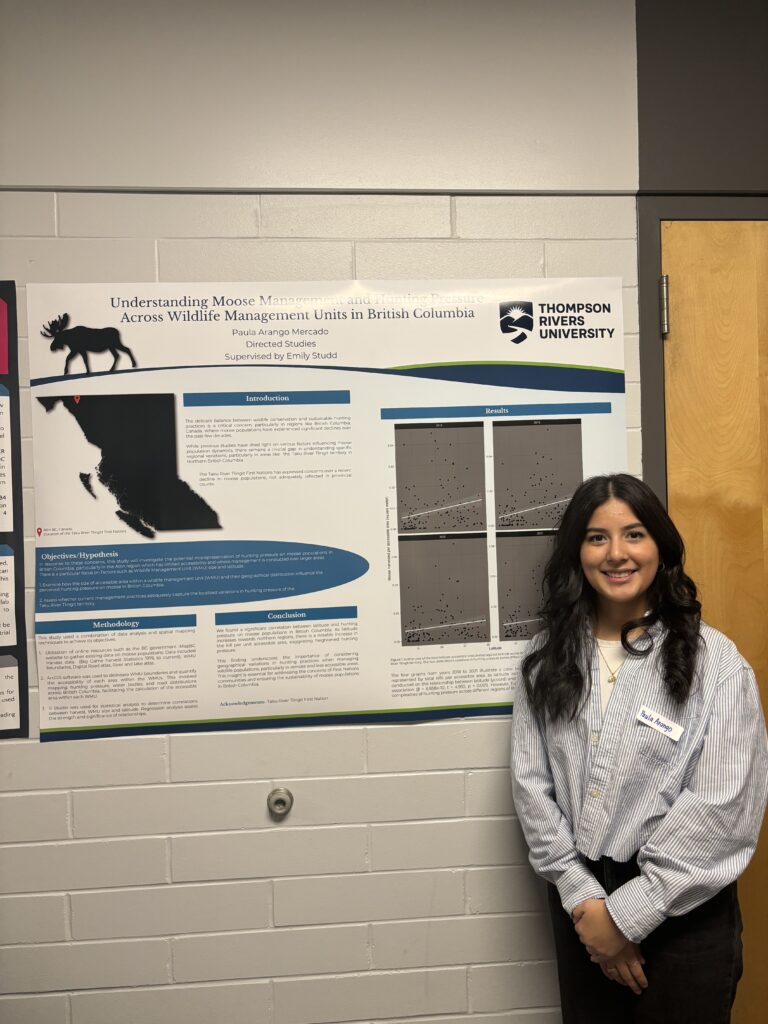
My BIO4480 Direct-Studies Poster, which summarizes key research insights on moose management in an accessible format, demonstrates my active delivery of research findings to different audiences. I was able to explain my research to other science students, professors, poster evaluators, and the general public at the Undergraduate Poster Exhibition of Research (SUPER) for Directed Studies students for Winter 2024 semester.
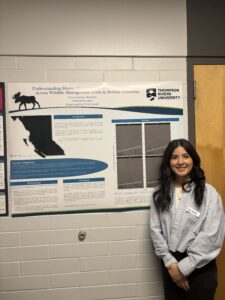 BIOL4480: Direct-studies-poster
In BIOL3231 (Clinical Case Study), I built a presentation that discussed a case study offered to us. I constructed my presentation such that it could be delivered to classmates in the summer by utilizing Prezi:
Additionally, I presented a poster at a Geography Conference (March 8, 2025), further showcasing my ability to communicate research effectively not only in science but in other fun topics like geography.
GEOG4990: Geographies of Religion (Winter 2025 – Instructor Humayun Kabir)
Course Description: Although not a traditional science research course, This special topics class considerably improved my research skills through humanities-based research. By examining the spatial dimensions of religious practices, I developed skills in qualitative analysis and non-STEM methodologies. This experience concluded with presenting a literature-based research poster at the TRU Geographers Annual Conference, where I put together historical and ethnographic sources into visual academic formats and engaged in scholarly discussion during the conference. The course broadened my understanding of research applications beyond scientific contexts while strengthening my ability to communicate complex ideas to diverse audiences.
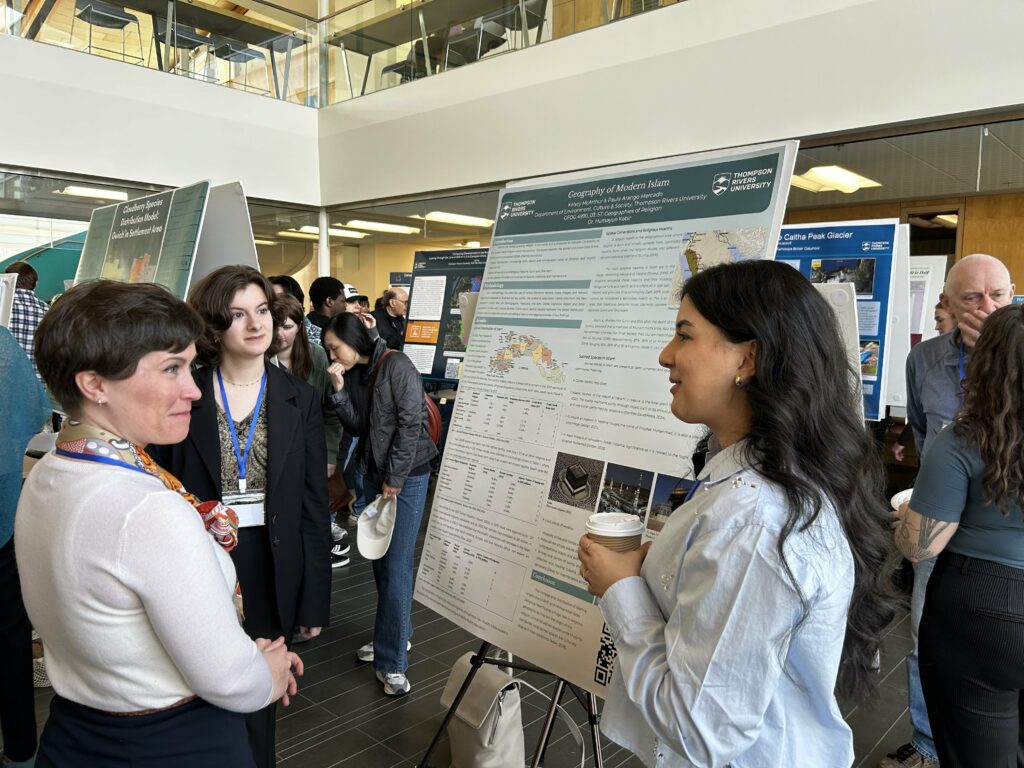
This collaborative poster was developed jointly by my classmate (Kelsey McArthur) and myself. My primary responsibilities included crafting the introduction section, which required submitting a complete abstract for conference acceptance. I authored the methodology portion and took the lead on the results section, specifically analyzing sacred spaces and religious hearths. (March, 2025)
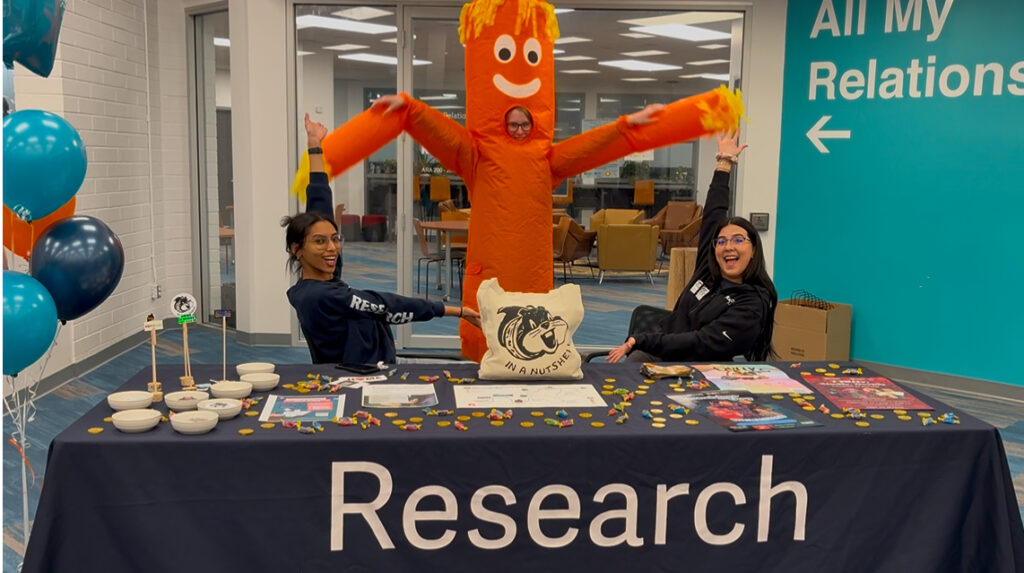
Finally, I was picked as a UGR (Undergraduate Research) Ambassador for the 2024-2025 academic year. I participated in a leadership program designed to strengthen research advocacy skills while promoting undergraduate research opportunities across TRU. This capstone experience built upon my faculty-mentored research background, training me to communicate the value of research to our community. Throughout the academic year, I collaborated with the Research Office on multiple initiatives, from organizing informational table events and presenting at Strike the Match and Nutshell events to developing and leading an interactive workshop that helped students build confidence in research presentations. Beginning with summer training, this ambassadorship allowed me to develop leadership and science communication skills while fostering a culture of undergraduate research engagement across campus.
My growth as a researcher is captured in my reflective essay, “From Being Scared to Success: The Diverse Paths of My Research Experiences,” where I discuss challenges, learning experiences, and the development of my research skills over time.
WHAT NOW? MAKING MY DREAM A REALITY.
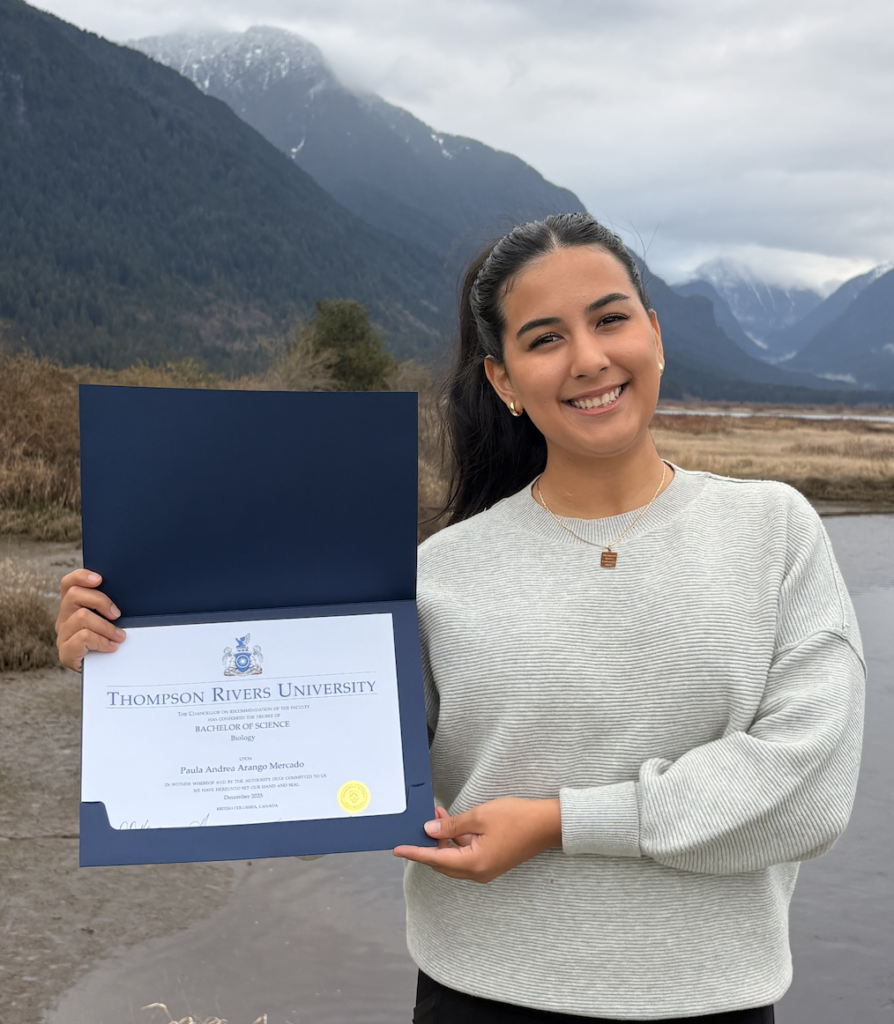
Graduating with my bachelor’s degree in Biology was a huge milestone in my life, I developed a deep appreciation for research and the process of asking questions, solving problems, and discovering new ways to improve the lives of both animals and people. Those experiences strengthened my curiosity and gave me the confidence to pursue my lifelong dream of becoming a veterinarian.
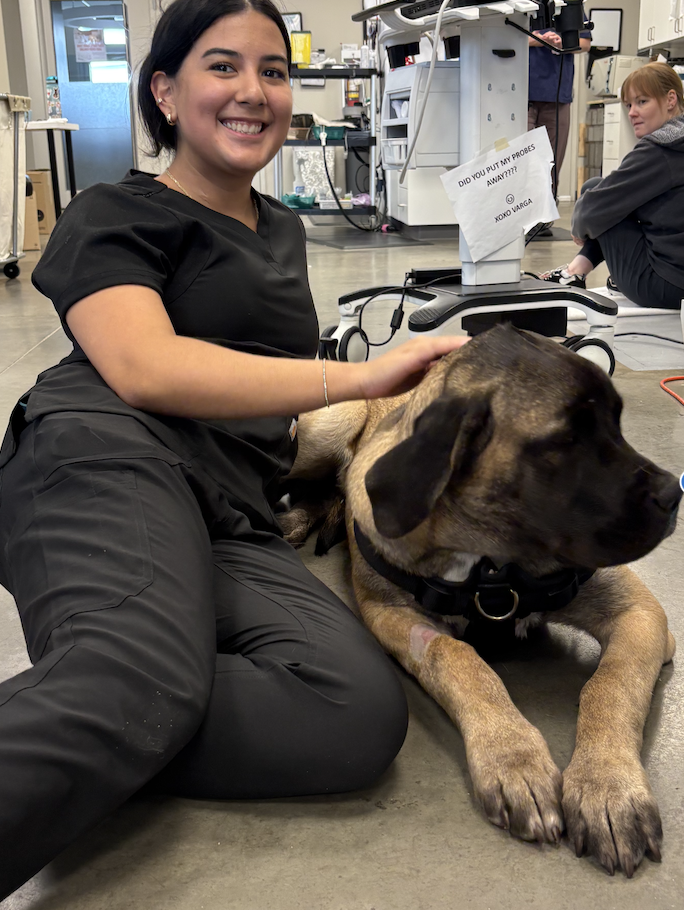
I am incredibly grateful to say that I was accepted into veterinary school, where I am now working toward becoming a Doctor of Veterinary Medicine. Every day in veterinary school reminds me why I chose this profession. I am passionate not only about caring for individual animals but also about advancing veterinary medicine through research and innovation. I hope to contribute to the development of new diagnostic techniques, treatments, and preventive strategies that improve animal health and welfare around the world.
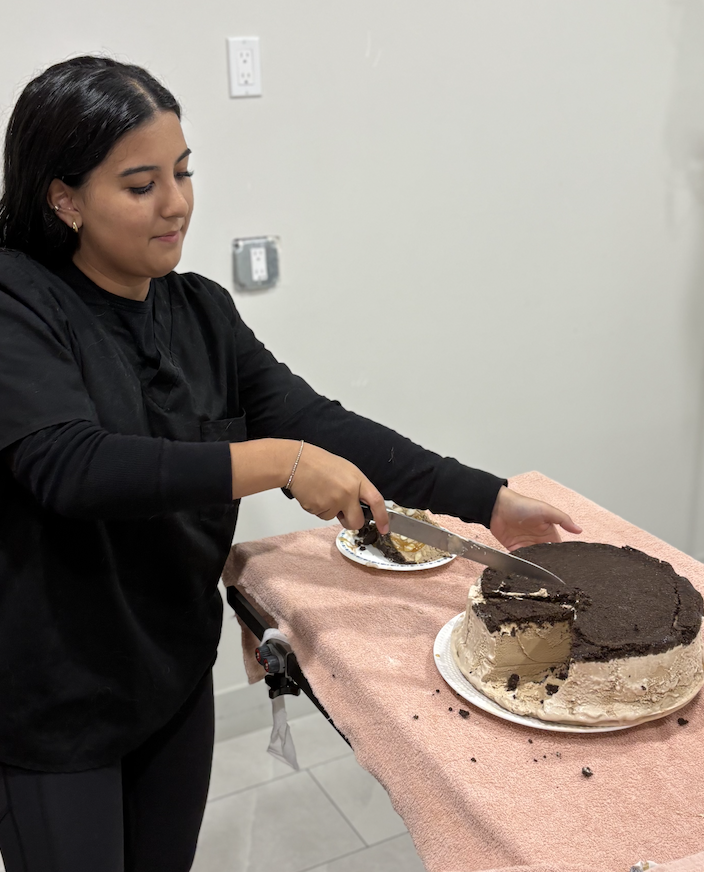
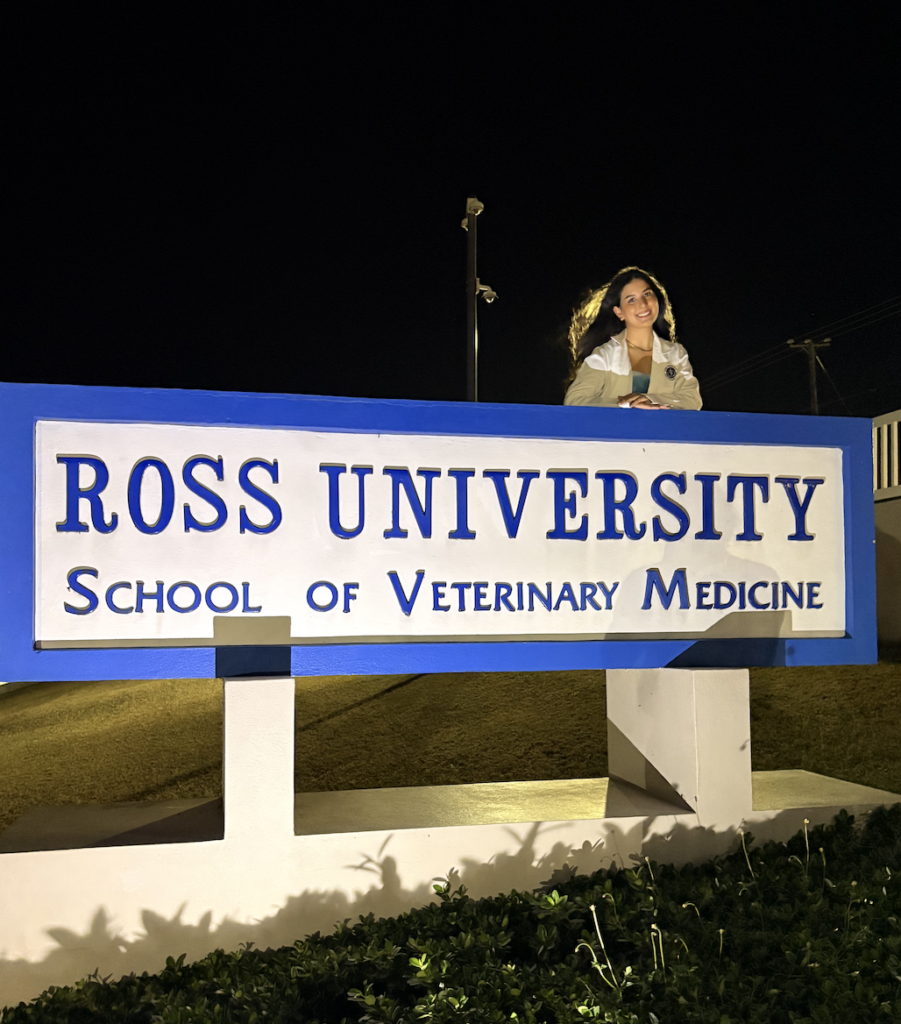
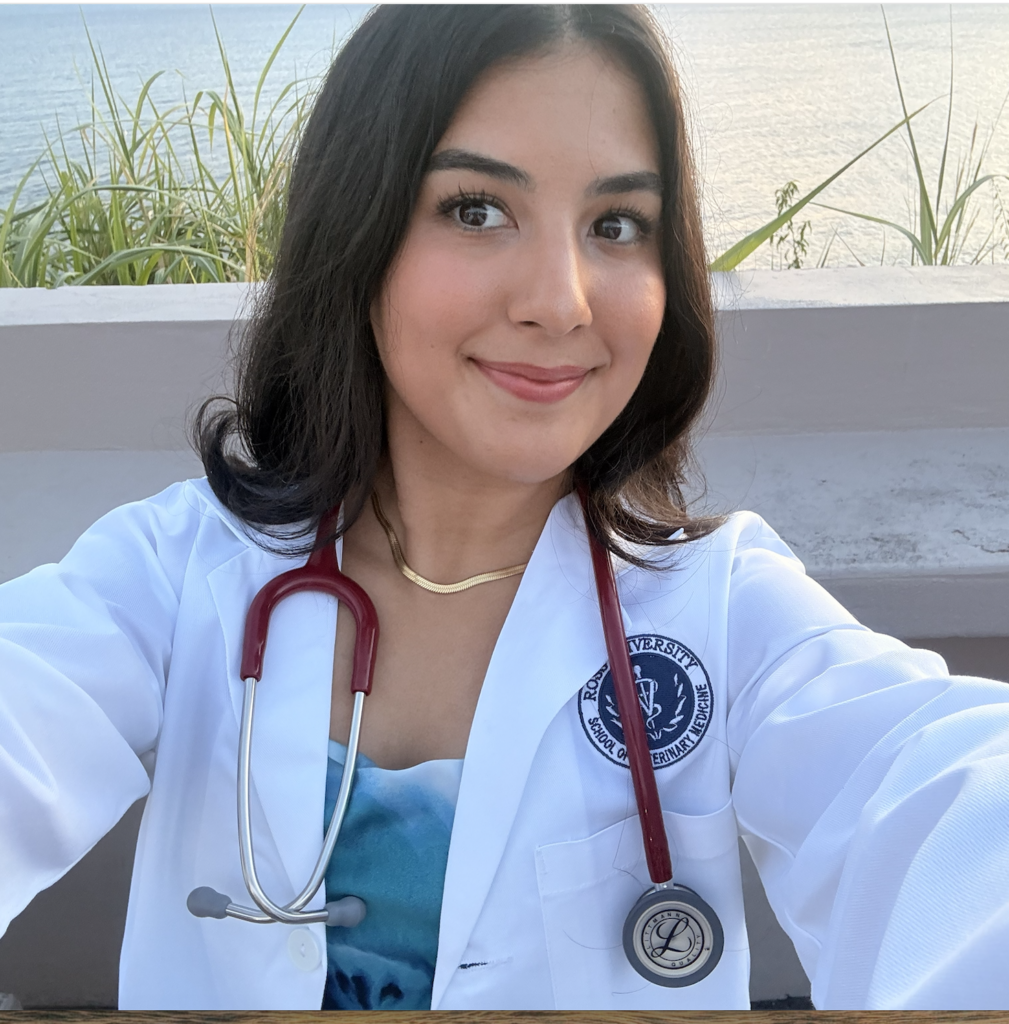
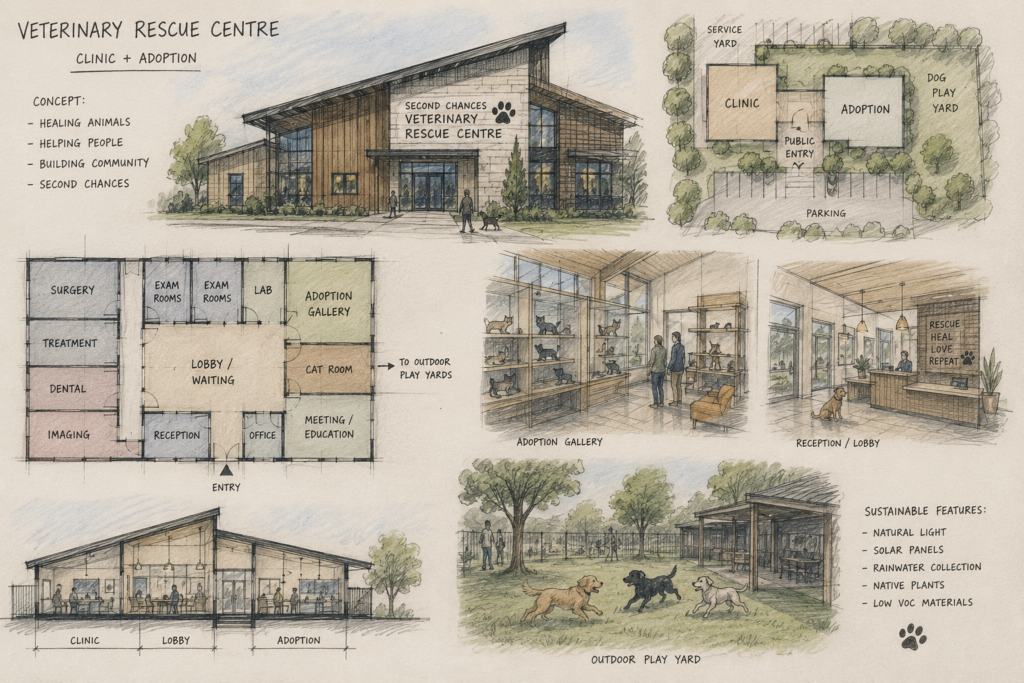
My long-term dream extends beyond becoming a veterinarian. One day, I hope to establish my own animal shelter and adoption center that combines compassionate rescue efforts with innovative veterinary medicine. I envision a place where abandoned, neglected, and abused animals receive exceptional medical care, rehabilitation, and the opportunity to find loving homes. I want this center to be more than a shelter it would also serve as a space for research, education, and community outreach, allowing new ideas and evidence-based practices to improve the quality of care provided to animals in need.
Giving back to communities that have inspired me is also a major part of my future goals. I hope to travel to Colombia to assist with animal rescue initiatives, provide veterinary care to underserved communities, and help improve the welfare of stray and abandoned animals. By working alongside local organizations, I want to support sustainable solutions through medical care, spay and neuter programs, education, and community partnerships that create lasting change for both animals and the people who care for them.
Pursuing this dream has required tremendous sacrifice. I come from a low-income family that has always supported me with love and encouragement but has never had the financial means to help fund the cost of veterinary school. Unfortunately, there are very limited financial resources available for veterinary students, making the burden even greater.
Last semester, the financial strain became overwhelming. The constant stress of trying to meet my educational expenses while keeping up with the demands of an intensive veterinary curriculum took a significant toll on my health, and I became ill. Despite those challenges, I remained committed to my education because I know becoming a veterinarian is not just my career goal, it is my calling.
As I prepare to return this fall, I am still facing a financial gap that I have been unable to close. Receiving this scholarship would mean far more than financial assistance. It would provide the opportunity to continue pursuing the profession I have dedicated my life to, relieve a burden that has weighed heavily on me and my family, and allow me to focus on becoming the compassionate, skilled veterinarian I aspire to be. I am determined to use my education to make a lasting difference for animals, their owners, and communities around the world, and this scholarship would bring me one step closer to making that vision a reality.